What Is Slat Plastic and Why It Matters Globally
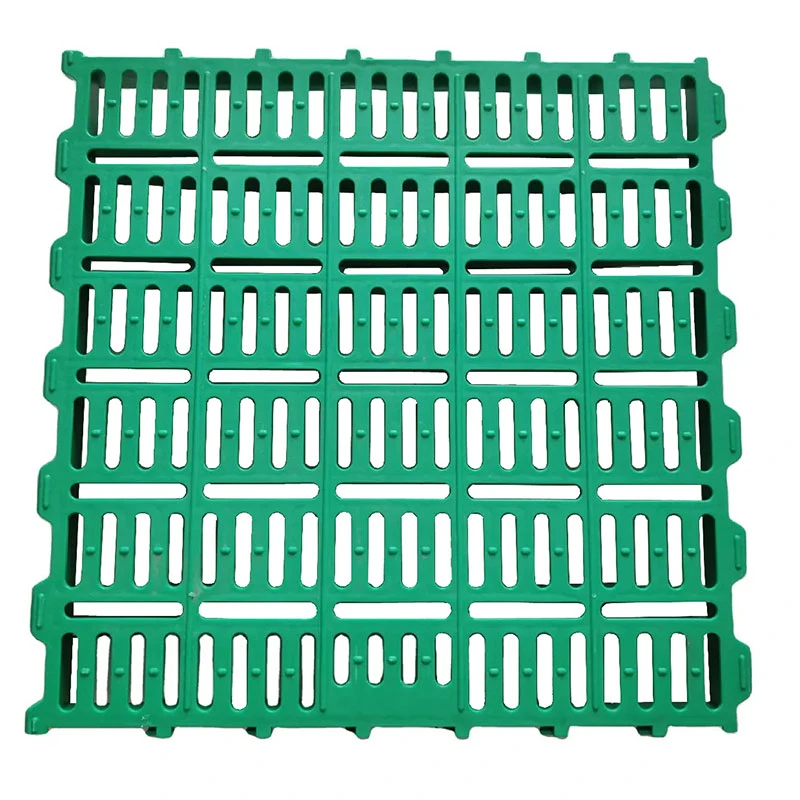
When you hear the term slat plastic, the immediate image might be a plastic grid or panel — and you wouldn’t be wrong. But slat plastic is more than just a material; it’s a subtle but crucial innovation that's quietly revolutionizing industries ranging from agriculture to disaster relief. Globally, the need for durable, lightweight, and affordable materials is soaring, especially as supply chains get strained and sustainability becomes less of an option and more of an imperative.
Understanding slat plastic means tapping into solutions that are both practical and planet-friendly. Whether it’s flooring for livestock sheds, modular housing panels, or even components in machinery, this material plays a vital role. It combines cost efficiency with resilience, bridging gaps in emerging economies and industrialized zones alike.
Mini takeaway: Slat plastic is an increasingly important material that supports sustainable growth and practical infrastructure around the world.
The Global Context: Why Slat Plastic is Gaining Momentum
Across continents, industries—especially agriculture and construction—face pressure from escalating raw material costs, tighter environmental regulations, and a growing demand for fast, reliable infrastructure solutions. According to recent reports by the International Organization for Standardization (ISO), the move toward plastics with longer lifespans and recyclability is inevitable.
And here’s the kicker: traditional materials like wood or metal, while sturdy, often falter when it comes to corrosion resistance or weight. Slat plastic enters this scene with the promise of addressing those pain points efficiently. The World Bank also notes that rural and developing regions particularly benefit from lower-cost, modular materials for housing and agriculture — situations where slat plastics shine.
But the challenge is many manufacturers aren’t familiar with how to customize or deploy these materials to their full potential. That gulf is exactly why this skill set is becoming so vital.
Mini takeaway: Slat plastic is a strategic answer to global demands for affordable, flexible, and sustainable materials in sectors critical to economic development and social welfare.
Breaking It Down: What Exactly Is Slat Plastic?
At its core, slat plastic refers to interlocking or fixture-ready plastic slats—think narrow strips or panels—that serve as structural or surface elements. They’re often molded from high-density polyethylene (HDPE) or polypropylene, which are known for their durability and resistance to chemicals and moisture.
In practical terms, slat plastic is extensively used in floor and wall applications where hygiene, weight, and maintenance matter.
Why is it connected so strongly to modern industry and humanitarian work? Because it offers a neat way to create quick, easy, and reusable structures: from livestock flooring that boosts animal welfare to modular housing components for emergency shelters.
Mini takeaway:
- Slat plastic = molded plastic strips designed for durability and modular use
- Commonly made from HDPE or polypropylene
- Used in hygiene-critical, lightweight, and adaptable applications
Core Components and Key Factors Behind Slat Plastic
Durability
One of the reasons so many engineers swear by slat plastic is its sheer sturdiness. It’s impact resistant, UV stable, and often rated to withstand harsh chemicals. This makes it perfect in tough environments like farms or factories.
Lightweight Nature
Slat plastic is surprisingly lightweight compared to wood or metal. This lowers shipping costs and simplifies installation. For example, farmers often remark that replacing wooden flooring with plastic slats drastically reduced their labor.
Cost Efficiency
The upfront price might seem comparable to traditional materials, but the long-term ROI is where slat plastic shines. Minimal maintenance, longer lifespan, and recyclability create savings over time.
Hygiene and Easy Cleanability
Since plastic doesn’t absorb moisture or bacteria, these slats are ideal for spaces where cleanliness is mandatory. This quality is why they’re widely used in livestock facilities and hospitals.
Customizability and Design Flexibility
Manufacturers can customize thickness, slip resistance, color, and size. This adaptability means slat plastics can meet exact application needs.
Environmental Sustainability
Many companies are transitioning to recycled plastics or designing slat plastic for circular reuse. This, admittedly, is an evolving frontier but one with momentum.
Mini takeaway:
- Durable and chemical-resistant
- Lightweight simplifies transport and installation
- Cost effective over lifespan
- Hygienic and easy to clean
- Highly customizable
- Increasingly sustainable
Where Does Slat Plastic Make a Real Difference?
Slat plastic is everywhere – from farm sheds in the American Midwest to disaster relief shelters in Southeast Asia. Let’s look at some real-world applications:
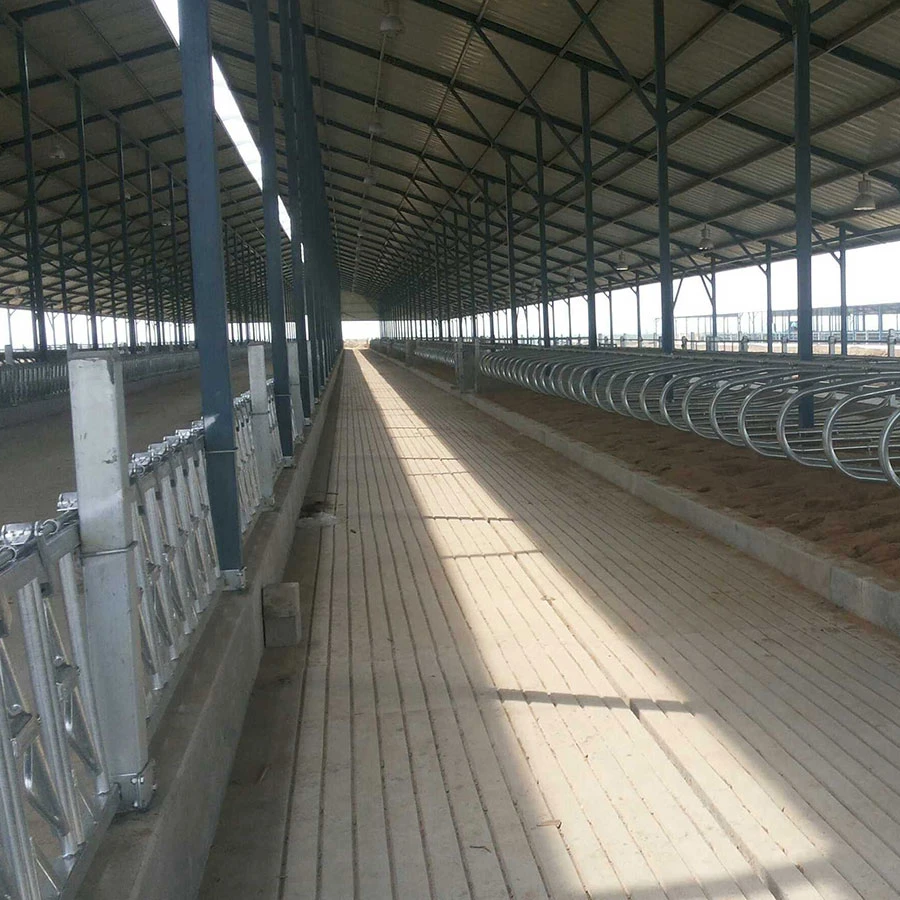
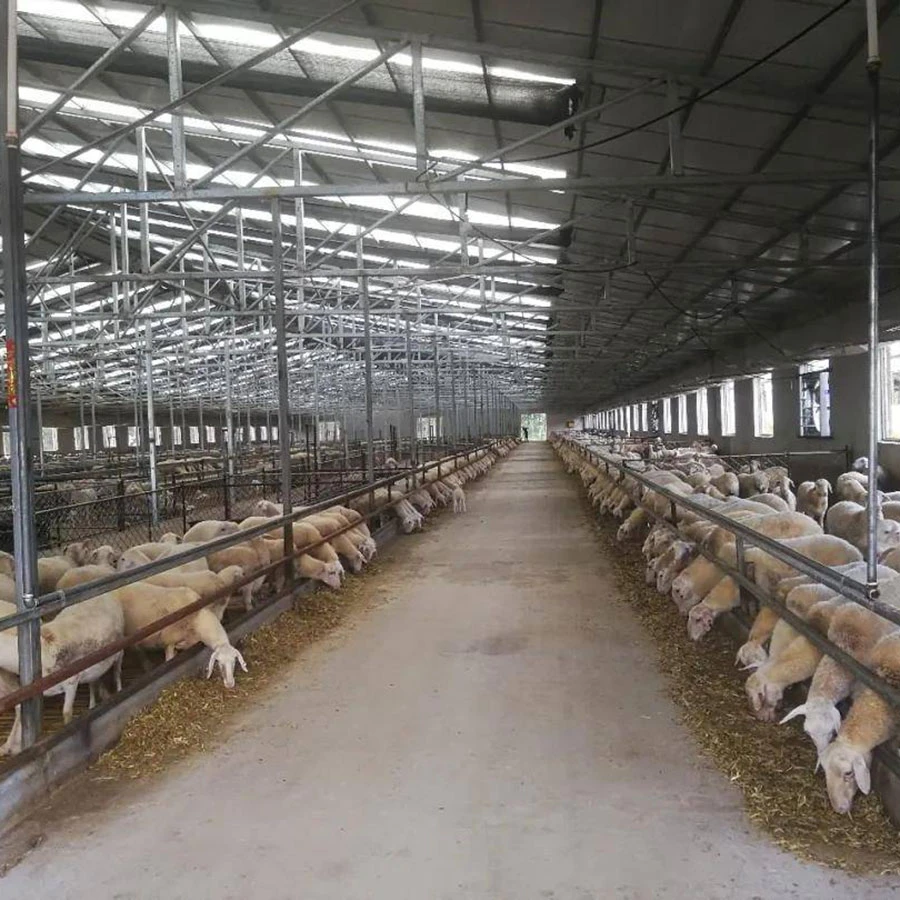
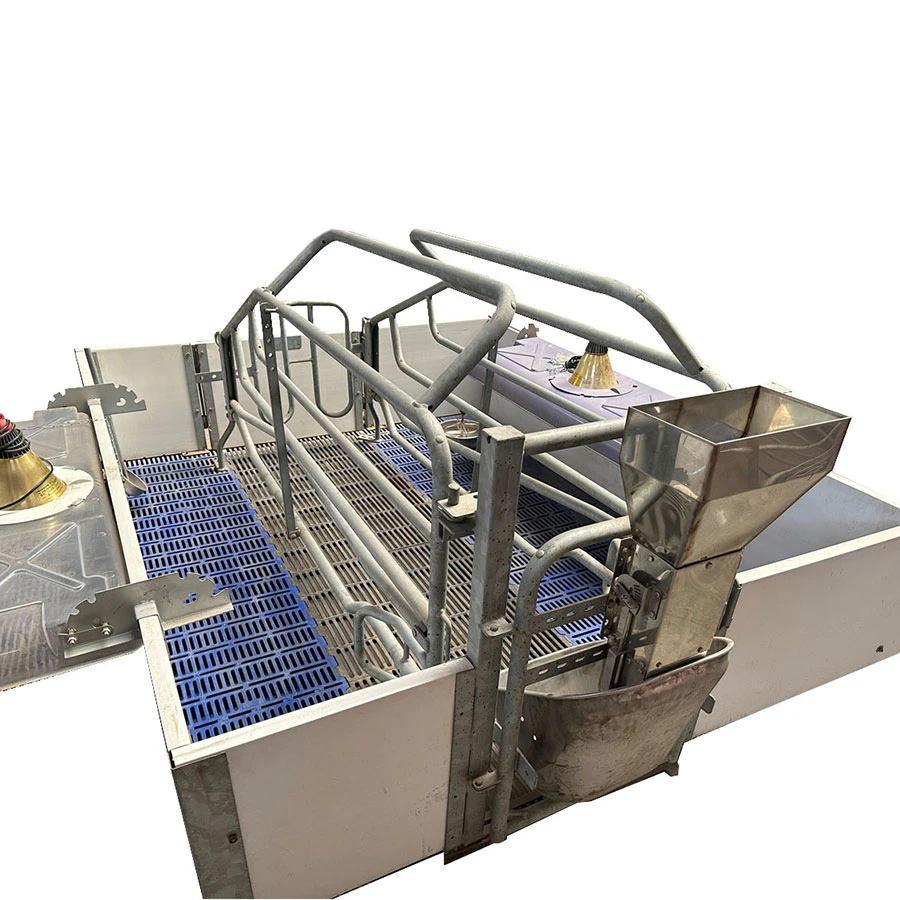
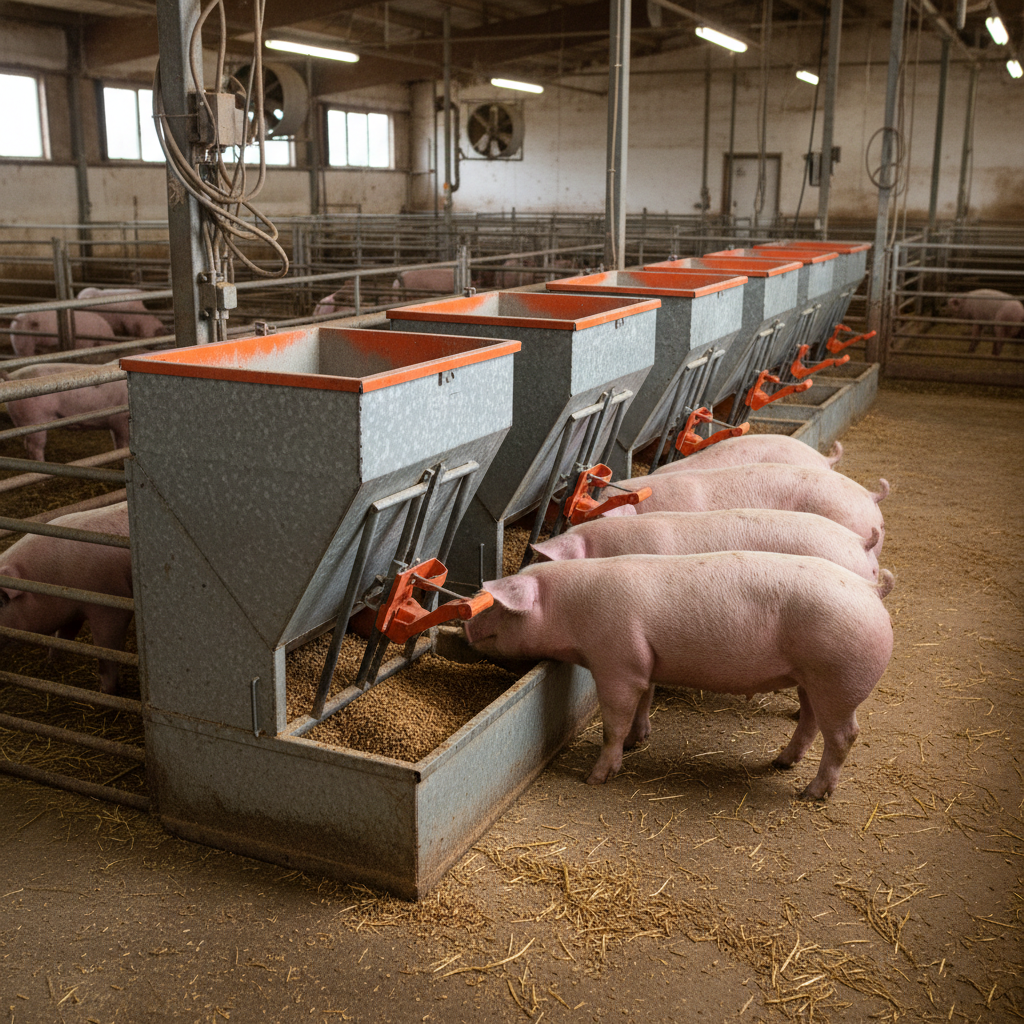
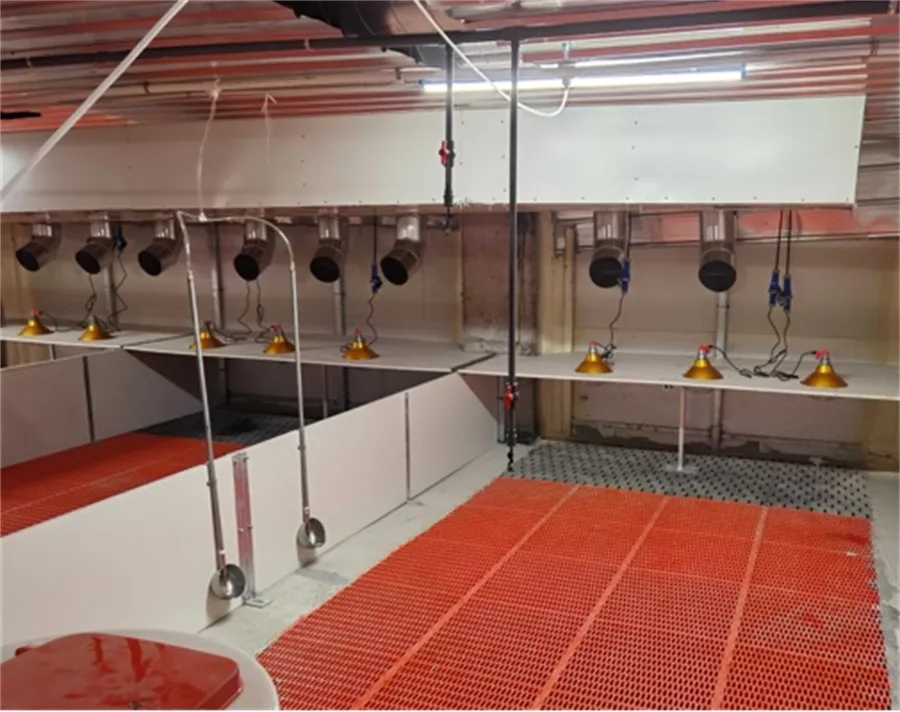
- Agriculture: Slatted floors in pig and poultry barns improve animal health and reduce waste management issues.
- Industrial Sector: Conveyor belts and protective screening often incorporate plastic slats for weight reduction.
- Emergency Housing: Modular panels made from slat plastic are quick to assemble, lightweight to ship internationally, and durable enough to withstand harsh weather.
- Marine Industry: Non-corrosive decking on boats or docks.
- Public Infrastructure: Walkways and safety grating in public spaces benefit from the slip-resistance and longevity of plastic slats.
Oddly enough, some NGOs appreciate slat plastic because it can be packed flat, transported cheaply, and recycled after use — a rare trifecta in emergency response.
Mini takeaway:
Slat plastic’s versatility touches agriculture, emergency response, industry, and even public safety, often where durability and lightweight characteristics are essential.
Product Specification Table: Typical Slat Plastic Panels
| Specification | Typical Value | Remarks |
|---|---|---|
| Material | High-Density Polyethylene (HDPE) | UV stabilized, food-grade options available |
| Dimensions | 1000 mm × 120 mm × 25 mm | Standard panel size; customizable |
| Weight | ~1.2 kg per slat | Lightweight for transport |
| Load Capacity | Up to 500 kg/m² | Suitable for livestock and light machinery |
| Chemical Resistance | Excellent | Resists acids, alkalis, oils |
| Lifespan | 10+ years | Under normal operational conditions |
A Quick Comparison: Top Slat Plastic Vendors
| Vendor | Product Range | Customization | Price Range | Regions Served |
|---|---|---|---|---|
| PlasticSlats Inc. | Agriculture, industrial, marine | High – custom sizes and coatings | $$ – mid-range | Global |
| EcoSlats Solutions | Recycled plastics focused, sustainable | Medium – mostly standard sizes | $$ – competitive | Europe, North America |
| FastBuild Plastics | Emergency housing and rapid deployment | High – modular system design | $$$ – premium | Global (special focus on disaster zones) |
Advantages & Long-Term Value of Slat Plastic
When weighing pros and cons, slat plastic stacks up pretty well:
- Cost Savings: Reduced maintenance and longer product lifespan lower expenses over time.
- Sustainability: With recycled materials and circular designs, it’s increasingly eco-friendly.
- Safety & Hygiene: Resistance to moisture and bacteria provides safer environments for animals and people.
- Innovation & Trust: Flexible design means customers get exactly what their operation demands.
It even wins emotional points — imagine a farmer telling me how switching to plastic flooring improved their livestock health and decreased their stress during cleaning days. Real quality of life improvements matter.
Future Trends: What’s Next for Slat Plastic?
Looking ahead, slat plastic is likely to embrace greener production methods — incorporating bio-based polymers and energy-efficient manufacturing. Some vendors are exploring IoT integration, where panels can include embedded sensors for condition monitoring or maintenance alerts.
Automation also plays a part: robots assembling modular plastic units quickly on site could be a game changer in post-disaster recovery.
And of course, global policies that nudge industries toward circular economy standards will accelerate innovation here. It’s a pretty exciting space.
Common Challenges and Expert Solutions
No material is perfect. The biggest hurdles with slat plastic currently are:
- Recycling Complexity: Mixed plastics can be hard to recycle effectively.
- Heat Sensitivity: Higher temps can sometimes deform panels without proper additives.
- Initial Investment: Premium products can be pricey upfront.
Smart manufacturers are solving these by using mono-material designs, UV/thermal stabilizers, and offering leasing or phased payment models. It’s a slow process but innovation can’t be rushed.
FAQ: Frequently Asked Questions About Slat Plastic
- Q: How durable is slat plastic compared to traditional wooden slats?
A: Slat plastic often outlasts wood by 3-4 times, resisting rot, pests, and moisture damage, making it a better long-term investment. - Q: Can slat plastic be customized to fit specific project needs?
A: Absolutely. Most vendors offer custom sizing, color, and even surface texture options to suit diverse industrial or agricultural applications. - Q: Is slat plastic environmentally friendly?
A: While conventional plastics have environmental concerns, many suppliers now use recycled materials and design for recyclability, significantly reducing impact. - Q: How does slat plastic perform in extreme weather conditions?
A: UV stabilizers and thermal additives make slat plastic resistant to cracking, fading, or warping in sunny or cold environments. - Q: Where can I buy reliable slat plastic products?
A: Leading companies like PlasticSlats Inc. and FastBuild Plastics offer global distribution; check their websites or trusted resellers for availability.
Wrapping Up: Why Slat Plastic Could Be Your Next Best Investment
So that’s the run-through on slat plastic. It’s a deceptively simple product that supports a surprisingly broad range of industries worldwide. Its reputation for durability, cost efficiency, and adaptability makes it an attractive option right now—and for the future.
If you’re interested in reducing operational costs, improving hygiene, or simply future-proofing your facilities, slat plastic is worth a closer look. Feel free to visit our website at https://www.cxlivestock.com for more insights and product options.
In the end, it all comes down to materials that work smart, not just hard.
— The journey is ongoing, but with slat plastic, you’re holding one of the clearer maps to better infrastructure.
References
Post time: Dec . 02, 2025