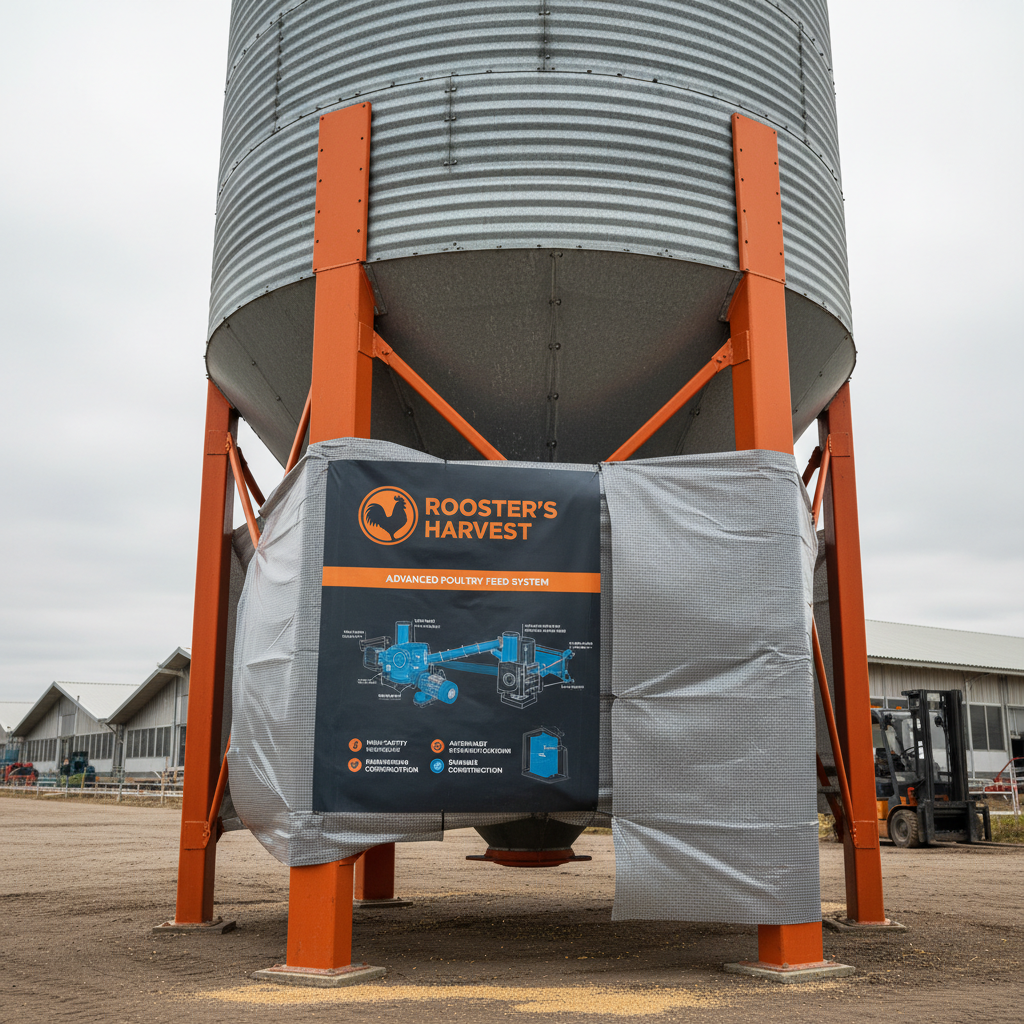
The 8 Ton Feed Bin: A Vital Asset for Modern Agriculture and Beyond
When you hear “8 ton feed bin,” you might picture a large, sturdy metal container—fair enough. But there’s a lot more to this essential agricultural component than just its size. Globally, feeding livestock efficiently and safely is a huge challenge, especially as demand for meat, dairy, and poultry products surges with the growing population. The 8 ton feed bin plays a surprisingly crucial role in this landscape, promising better storage, less waste, and operational ease, whether on a sprawling farm or in remote supply chains. Understanding these bins isn’t just for the agri-tech crowd; it’s part of a bigger narrative about food security, sustainability, and innovation.
Introduction: The Global Landscape of Feed Storage
To put this into context, the Food and Agriculture Organization (FAO) estimates that global meat production has more than doubled since the 1980s, triggering massive shifts in how feed is stored, handled, and transported. Oddly enough, while the numbers are soaring, nearly one-third of all produced food is lost or wasted each year due to poor storage and supply issues (FAO, 2021). That’s where having a robust, reliable feed bin—like one capable of holding 8 tons—makes a difference. It’s not just about volume; it’s about reducing spoilage, contamination, and labor costs while ensuring consistent livestock nutrition. As supply chains become more complex, the demand for scalable feed storage grows, especially in regions with harsh climates or lack of infrastructure.
Defining the 8 Ton Feed Bin
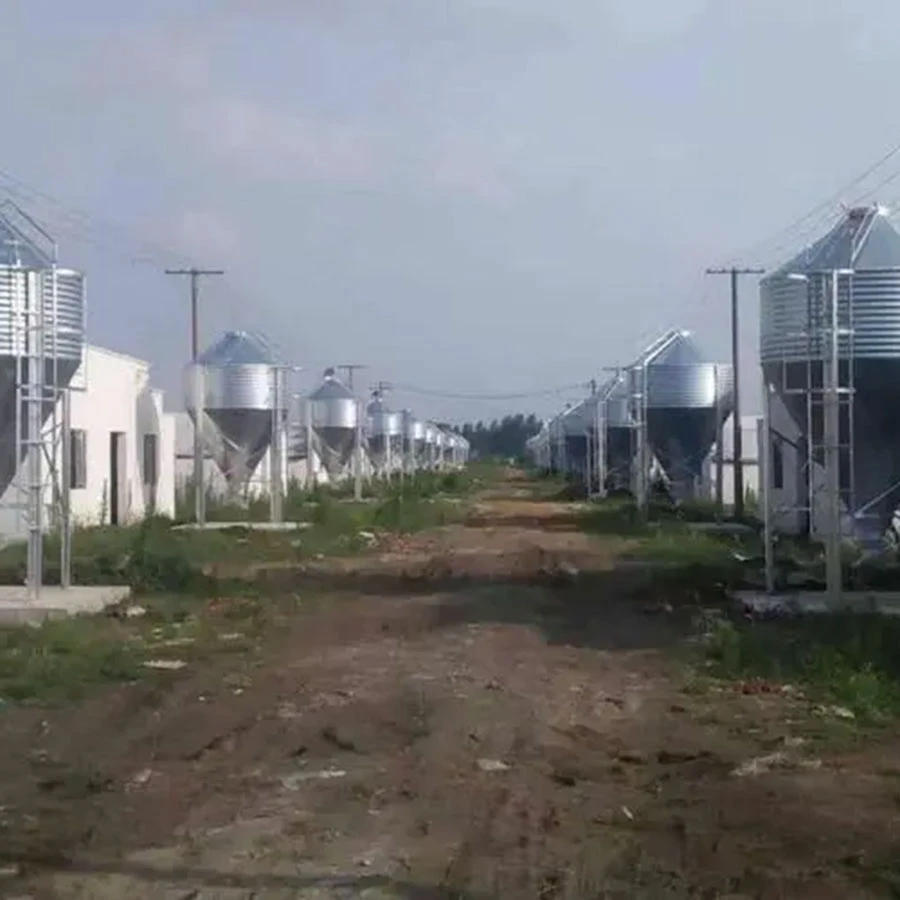
So, what exactly is an 8 ton feed bin? In plain terms, it’s a bulk storage unit designed specifically to hold about 8 tons (approximately 7,257 kg) of livestock feed such as grains, pellets, or mixed rations. Usually constructed from galvanized steel or heavy-duty aluminum, these bins come with features like airtight seals, easy-access unloading mechanisms, and sometimes built-in aeration systems to preserve feed quality. Their size strikes a practical balance—not so large as to be unwieldy, but large enough to service medium to large farms or feed distributors.
These bins are indispensable in modern farming but also have humanitarian uses—think: emergency feed storage in disaster zones or in developing regions striving for food security. Their design and functionality echo wider industrial storage solutions but tuned to the unique demands of agricultural materials.
Core Components and Key Factors
Durability
The material choice matters. Galvanized steel bins resist corrosion in humid environments, which matters if you’re storing moist feed or operate in coastal areas. Many engineers will swear by powder-coated finishes or stainless steel for enhanced longevity—because frankly, a feed bin with rust is a liability.
Scalability & Size
At 8 tons, the bin represents a middle ground in storage capacity. It’s scalable enough for medium farms but also stackable or connectable for larger operations. The design often includes modular additions, which helps farms grow without full-tooth overhaul of their storage system.
Cost Efficiency
On the financial side, these bins offer the ability to buy feed in bulk, locking in prices and streamlining delivery. Bulk storage also reduces labor costs since feed can be mechanized in its handling, cutting down manual work hours—a hidden saving.
Ease of Access and Maintenance
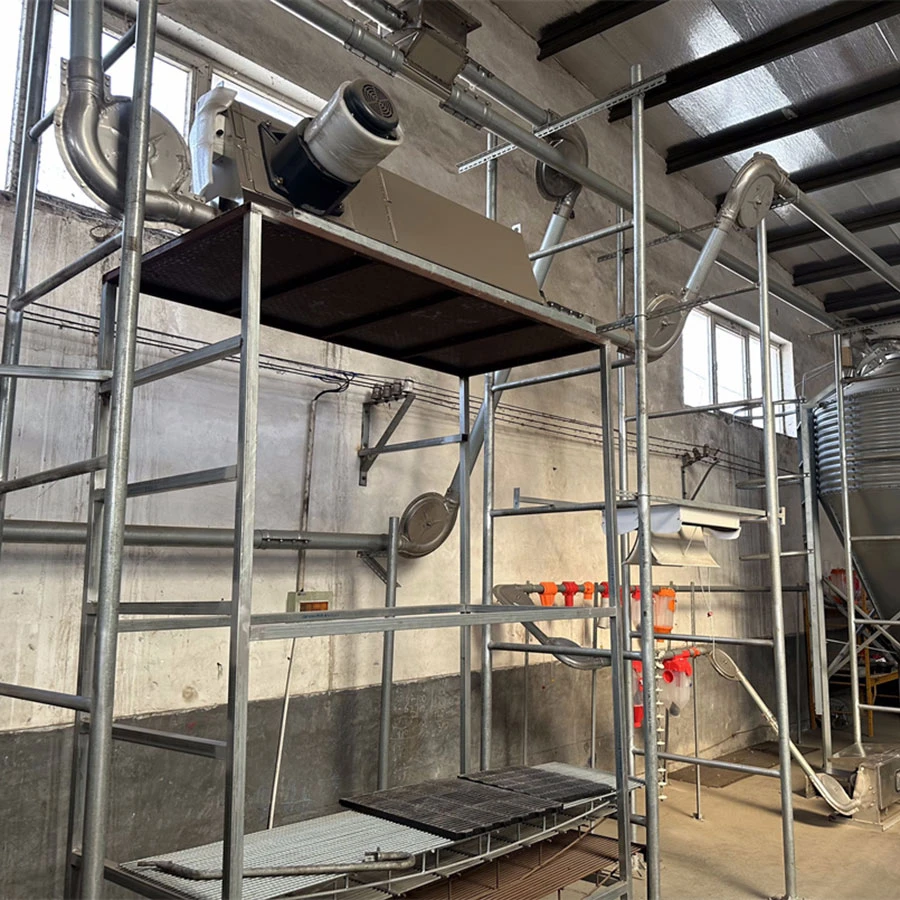
Feeding livestock is a round-the-clock job, so the bins need convenient access points. Features like bottom discharge valves, auger compatibility, and smooth internal surfaces prevent clogging and speed up feed delivery. Maintenance involves simple cleaning regimes, and many designs incorporate removable lids or inspection ports.
Pest and Contamination Resistance
Feed spoilage due to pests or fungal contamination can undermine an entire season’s productivity. Good 8 ton feed bins come sealed with integrated pest-proofing measures, and some even support controlled atmosphere storage to reduce mold risks.
Global Applications and Use Cases
- Industrial farms in North America and Europe: Large dairy and poultry farms heavily rely on these bins to maintain consistent feed supplies and reduce delivery downtime.
- Remote Agriculture in Australia and Africa: Given sporadic shipments and harsh climates, sturdy feed bins help safeguard stocks over long periods.
- Humanitarian Aid: Organizations providing emergency livestock feed in disaster-struck regions use these bins for centralized and rapid distribution.
- Feed Processing Plants: Storage capacity near mills or mixing facilities ensures supply chain efficiency and reduces losses on-site.
Takeaway: The versatility of the 8 ton feed bin underscores its critical role across vastly different environments, adapting to local constraints while fulfilling global needs.
Advantages and Long-Term Value
In real terms, investing in such a feed bin translates into operational stability. Reduced feed wastage means better profitability, while reliable storage enhances animal health—animals are what, after all? Livelihood and growth. From an emotional perspective, there’s a sense of trust and security knowing feed won’t run out suddenly or become compromised due to weather or pests.
Innovation in materials and design also often results in sustainability gains: less frequent replacement, recyclable materials, and compatibility with automated feed systems reduce energy consumption and environmental footprint.
Future Trends and Innovations
Technology isn’t standing still. Smart feed bins equipped with IoT sensors monitor feed levels and humidity in real-time, transmitting alerts to farm managers. This digital transformation is part of the broader “smart farming” movement, supported by advances in green energy and automated machinery. For instance, solar-powered aeration fans minimize spoilage without additional electricity costs.
Materials are also evolving. Lightweight composites could soon replace steel, making transport and assembly easier without sacrificing durability. Plus, new coatings repel pests more effectively and extend bin life substantially.
Challenges & Solutions
That said, challenges remain. Transporting these bins to remote or rugged locations can be tricky and costly. Also, improper installation may lead to structural stress, risking feed loss. Solutions include better modular design, pre-assembled kits, and training for end users on maintenance and safety. Experts recommend routine inspections and preventive upkeep to maximize investment lifespan.
Product Specification Table: Typical 8 Ton Feed Bin
| Feature | Specification |
|---|---|
| Capacity | 8 metric tons (approx. 7,257 kg) |
| Material | Galvanized steel (optional powder coating) |
| Dimensions (HxW) | 4.5m x 2.2m |
| Discharge Type | Bottom valve / auger compatible |
| Pest Protection | Sealed lid with integrated mesh |
| Installation | Modular, onsite assembly |
Vendor Comparison Table
| Vendor | Material Quality | Price Range (USD) | Customization Options | Warranty |
|---|---|---|---|---|
| AgriBin Corp. | High-grade galvanized steel | $4,500 - $5,200 | Color coatings, size variants | 5 years |
| FarmStore Solutions | Powder-coated steel | $4,000 - $4,800 | Automation-ready, pest barriers | 3 years |
| Livestock Pro Bins | Stainless steel option | $5,000 - $5,700 | Custom sizes, digital sensors | 7 years |
Frequently Asked Questions About 8 Ton Feed Bins
1. How long does feed stay fresh inside an 8 ton feed bin?
Stored feed usually maintains freshness for up to 6 months if the bin is properly sealed and ventilated. Moisture control and pest prevention are critical; bins with aeration systems extend shelf life by balancing humidity.
2. Can 8 ton feed bins be transported easily?
While sizable, these bins are designed to be modular and sometimes come in prefabricated sections for easier transport and assembly. Transport does require special trucks or equipment, especially for longer distances.
3. Are these bins compatible with automated feeding systems?
Yes, many 8 ton feed bins include bottom discharge features compatible with augers or conveyor belts, facilitating integration with automated feed delivery systems common in modern farming.
4. What maintenance is required for these storage bins?
Regular inspection for rust or damage, cleaning residual feed to prevent mold, and checking seals and pest barriers are typical maintenance tasks. A yearly deep clean is often recommended.
5. Are there eco-friendly 8 ton feed bin options?
Increasingly, bins made from recyclable steel and those incorporating solar-powered aeration fans are becoming available, helping farms reduce their environmental footprint while maintaining feed quality.
Conclusion
To wrap it up: the 8 ton feed bin might just seem like a straightforward piece of equipment, but it really is a linchpin in effective feed management, food security, and sustainable farming. It reduces loss, improves feed quality, and keeps operations humming smoothly — a true unsung hero in agriculture. If you want to explore options or need the best for your farm or organization, visiting https://www.cxlivestock.com is a great start. Their expertise and product range cover all the bases, making it easier to choose precisely what you need.
Frankly, I’ve noticed that investing in the right feed bin pays off faster than expected. It’s worth the time and thought.
References
Post time: Dec . 08, 2025