Wet Dry Hog Feeders: Why This Livestock Innovation Matters Worldwide
If you’re involved in hog farming or animal husbandry, you probably know how critical feeding equipment is. Wet dry hog feeders, in particular, have quietly grown into essential tools that balance efficiency, animal health, and cost-effectiveness. But when you zoom out and think globally, their impact is even more significant — from improving smallholder farms in developing countries to enhancing biosecurity in large industrial operations. Understanding these feeders helps farmers optimize nutrition while minimizing waste. That means better yields, healthier pigs, and ultimately, a steadier food supply chain around the world.
Why Wet Dry Hog Feeders Are a Global Livestock Game-Changer
According to the Food and Agriculture Organization (FAO) of the United Nations, pork accounts for roughly 36% of total meat production worldwide, making it the most consumed meat globally. With pork demand rising steadily — especially in Asia and parts of Latin America — efficient, reliable hog feeding systems have never been more important.
But feeding pigs isn’t simply about dumping out some grain or slop. Large-scale farms and small producers alike wrestle with contamination risks, feed spoilage, and uneven nutrition delivery, sometimes leading to diseases or poor growth rates. Wet dry hog feeders address those challenges by combining feed and water delivery in a single system, maintaining freshness, and curbing waste. In real terms, it’s about sustainability, economics, and animal welfare unfolding in one smart device.
What Exactly Are Wet Dry Hog Feeders?
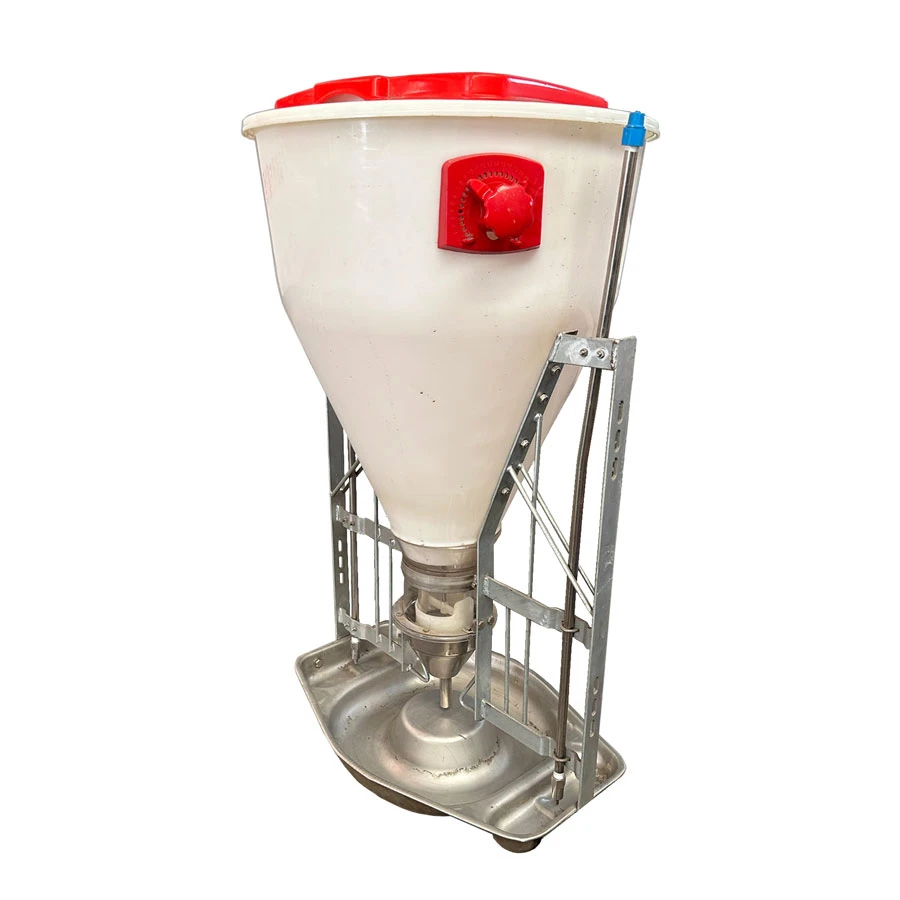
Put simply, wet dry hog feeders are specially designed feeding units that allow pigs to consume both solid feed and water simultaneously or alternately from the same fixture. Unlike traditional dry feeders, these systems keep feed moist, which helps reduce dust, enhances palatability, and minimizes feed wastage that usually happens with dry granules scattered on barn floors.
They've become an integral part of modern swine production methods, supporting precision feeding while helping water intake regulation. This technology is especially critical in intensive swine operations where automation and hygiene standards must be as tight as possible to ensure healthy growth rates and minimize disease outbreaks — something the World Organisation for Animal Health (OIE) underscores as vital in global livestock health initiatives.
Core Components of Wet Dry Hog Feeders
Durability and Material Quality
Many wet dry feeders are constructed with corrosion-resistant plastics or stainless steel, offering easy cleaning and long lifespans. Since farming environments can be harsh and humid, these materials ensure feeders don’t degrade quickly, avoiding frequent replacements.
Adjustable Feed Flow Control
Farmers appreciate feeders where feed flow rates can be precisely calibrated depending on pig size or growth stage. This flexibility prevents overfeeding or underfeeding — both of which carry economic and animal welfare costs.
Water Integration Mechanism
The water delivery feature, usually via nipples or troughs, allows pigs to drink as needed. This integration reduces the need for separate watering systems and cuts labor overhead.
Ease of Cleaning and Maintenance
Wet dry feeders are built with quick-disassembly parts or smooth surfaces to help farm workers clean efficiently, limiting bacterial buildup. Some designs even feature antimicrobial coatings to keep hygiene sustained over time.
Scalability for Different Farm Sizes
From small family farms to commercial mega-facilities housing thousands of hogs, feeder systems can be scaled and customized. Modular or automated wet dry feeders are an upcoming trend especially in large farms that monitor feed intake digitally.
Global Applications and Real-World Use Cases
These feeders have widespread adoption signals across regions:
- In Asia: Smallholder pig farmers in countries like Vietnam and the Philippines use wet dry feeders to maximize feed efficiency as pork demand soars dramatically.
- Europe & North America: Large industrial swine operations rely on automated wet dry feeders integrated with farm management software to track and adjust feeding in real time.
- Post-Disaster Recovery: Remote humanitarian projects incorporate sturdy wet dry feeders in temporary shelters or resettlement farms to help rebuild local livelihoods quickly.
- Research Farms: Universities and livestock research centers use these feeders to conduct nutrition studies controlling feed and water intake on experimental groups.
One interesting insight came from a midwestern U.S. swine producer who reported 15% feed savings after switching to an automated wet dry system, which sharply cut wastage and labor hours spent measuring water separately.
Advantages and Long-Term Value of Wet Dry Hog Feeders
Ok, let’s talk brass tacks — why do so many farms choose these systems?
- Cost Efficiency: Less feed waste means money saved. Moist feed also reduces dust issues in barns, lowering respiratory problems and veterinary costs.
- Sustainability: By optimizing feed and water use, these feeders help farms reduce their environmental footprint — something increasingly important given global sustainability goals (e.g., UN SDG 12).
- Improved Animal Welfare: Constant freshwater access plus palatable feed boosts growth rates and reduces stress among pigs.
- User Convenience: Simplified cleaning and integrated design reduce labor demands on farm staff, making day-to-day management smoother.
Emotionally, farmers often stress the dignity aspect—knowing their animals are fed properly and safely creates a sense of pride and responsibility. It’s not just a business transaction; it’s a care routine carried out meaningfully every day.
Spotlight on Specifications: A Typical Wet Dry Hog Feeder
| Feature | Specification | Benefit |
|---|---|---|
| Material | High-density polyethylene | Durable, rust-proof |
| Feed Flow Control | Adjustable slide valve | Prevents overfeeding |
| Water Delivery | Nipple drinker with pressure valve | Fresh water on demand |
| Capacity | 25 liters feed, 10 liters water reservoir | Reduces refill frequency |
| Cleaning | Removable parts, smooth surfaces | Hygienic and fast maintenance |
Comparing Leading Vendors of Wet Dry Hog Feeders
| Vendor | Material | Capacity | Automation Features | Price Range |
|---|---|---|---|---|
| FarmEquip Co. | Polyethylene | 20L feed, 8L water | Basic flow control | $120 – $180 |
| AgroTech Solutions | Stainless steel/plastic combo | 25L feed, 10L water | Automated feed & water sensors | $300 – $450 |
| LivestockPro | HDPE with antimicrobial treatment | 22L feed, 9L water | Manual adjustable valve | $150 – $200 |
Emerging Trends and Innovations in Hog Feeding Technology
The future of wet dry hog feeders looks quite exciting as farms lean into digital farming and sustainability. Many companies are integrating Internet of Things (IoT) sensors to remotely monitor feed and water levels, pig feeding behavior, and even early illness detection based on consumption patterns. Oddly enough, something as simple as a feeder has become a node in the “smart farm” ecosystem.
Meanwhile, green energy-powered water pumps and biodegradable materials are growing in appeal. Imagine solar-powered feeders in off-grid locations streamlining animal care without depending on unreliable electricity grids. That kind of innovation could be a lifeline to small farms struggling with infrastructure.
Challenges Faced and Solutions Proposed
Despite their strong benefits, wet dry hog feeders aren’t without challenges. For one, initial installation costs can seem high to smallholder farmers — something NGOs try to offset through grants or cooperative buying groups.
Additionally, some systems require careful maintenance to prevent clogging or microbial growth if feed isn’t changed out regularly. Experts suggest routine cleaning schedules and training farm workers to watch for early signs of wear.
There is also the adaptation challenge in less developed regions where water quality isn’t always reliable; integrating filtration or treatment systems is a promising path forward.
Still Wondering? Frequently Asked Questions About Wet Dry Hog Feeders
Q1: Can wet dry hog feeders really reduce feed waste significantly?
A1: Absolutely. By moistening feed and controlling flow rates, these feeders minimize the feed spillages common in dry feeding systems. Studies report up to 15–20% feed savings, which translates to direct cost reductions.
Q2: Are wet dry feeders suitable for all pig growth stages?
A2: Yes, most designs are adjustable and can cater to piglets through to finishing hogs. Adjusting feed flow helps meet nutritional needs at each stage effectively.
Q3: How difficult is cleaning and maintenance?
A3: These feeders usually have removable components and smooth surfaces designed exactly for quick cleaning. Routine maintenance every few days or weeks ensures hygiene and optimal operation.
Q4: Can smallholder farmers afford these feeders?
A4: While upfront costs may be challenging, many manufacturers offer lower-cost models, payment plans, or assistance through farming cooperatives. Plus, the long-term feed savings and better herd health often offset initial investments.
Q5: Where can I find reliable vendors or buy wet dry hog feeders internationally?
A5: You can start with specialized agricultural suppliers or wet dry hog feeders marketplaces online. Look for vendors with proven product warranties and good after-sales service.
Conclusion: Feeding Into a Smarter, Sustainable Future
Wet dry hog feeders might not be flashy, but they’re quietly powering an important part of global food security with efficiency, care, and innovation. For farmers large and small, the ability to feed pigs well — safely, sustainably, and cost-effectively — is a priority that these systems meet beautifully.
If you’re ready to explore how wet dry hog feeders could boost your operation’s productivity and animal welfare, I encourage you to visit our website and check out the latest products available.
(1) Food and Agriculture Organization of the United Nations – Meat Market Review, 2022
(2) World Organisation for Animal Health (OIE) – Livestock Biosecurity Guidelines
(3) United Nations Sustainable Development Goals (SDG), Goal 12 – Responsible Consumption and Production
Post time: Dec . 03, 2025