The Hidden World of Feeder Hogs: Why It Matters More Than You Think
Feeder hog—two simple words that carry quite the weight when you start peeling back layers of meat production, global food security, and sustainable agriculture. For those outside the agricultural world, the term might sound a bit opaque, but understanding it opens a window into how billions of meals get to plates worldwide. And honestly, with growing populations and shifting diets, knowing what the feeder hog is and why the industry cares is more important than ever.
Why Should We Care About Feeder Hogs Globally?
It’s easy to overlook the feeder hog’s role if you’re not directly involved in farming. Yet, according to the United Nations Food and Agriculture Organization (FAO), pork accounts for nearly 40% of global meat consumption, making it the most widely eaten meat worldwide (FAO, 2023). And at the heart of that supply chain lies the feeder hog—the young pig ready for fattening, a critical stage towards pork production.
The problem? Rising feed costs, disease outbreaks like African swine fever, and environmental pressures have pushed producers to rethink how to raise and manage feeder hogs effectively. The balance between meeting skyrocketing demand and maintaining sustainability is frankly a tightrope walk.
Mini Takeaway: Feeder hogs are central to global pork production, impacting food security and economies alike. Challenges in raising them reflect broader agricultural and environmental concerns.What Exactly Is a Feeder Hog?
Simply put, a feeder hog is a young pig, typically weighing around 40 to 70 kilograms, that’s been weaned and is ready to enter the feeding or finishing phase before slaughter. Think of them as stock animals prepped for the last stretch of their growth, where proper nutrition and care significantly affect their final size and meat quality.
This stage is pivotal because it connects intensive farming with market demand. Unlike breeding sows or piglets, feeder hogs represent a more standardized product in the livestock industry—an essential "unit" in swine production.
Feeder hogs also symbolize modern industry’s push towards efficiency, hygiene, and veterinary care, playing an indirect but crucial role in addressing hunger worldwide and supporting livelihoods in rural zones.
Mini Takeaway: The feeder hog is more than just a juvenile pig—it’s a key phase that affects pork quality, supply reliability, and farm profitability.Key Factors in Managing Feeder Hogs
1. Nutrition & Feed Quality
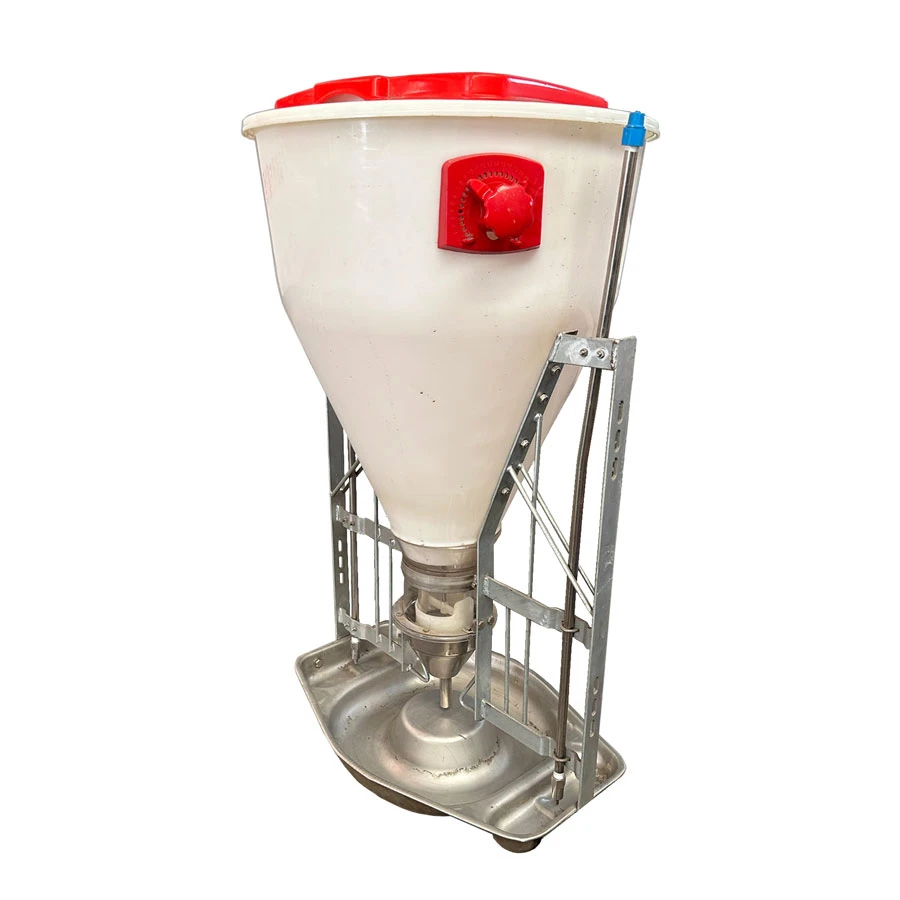
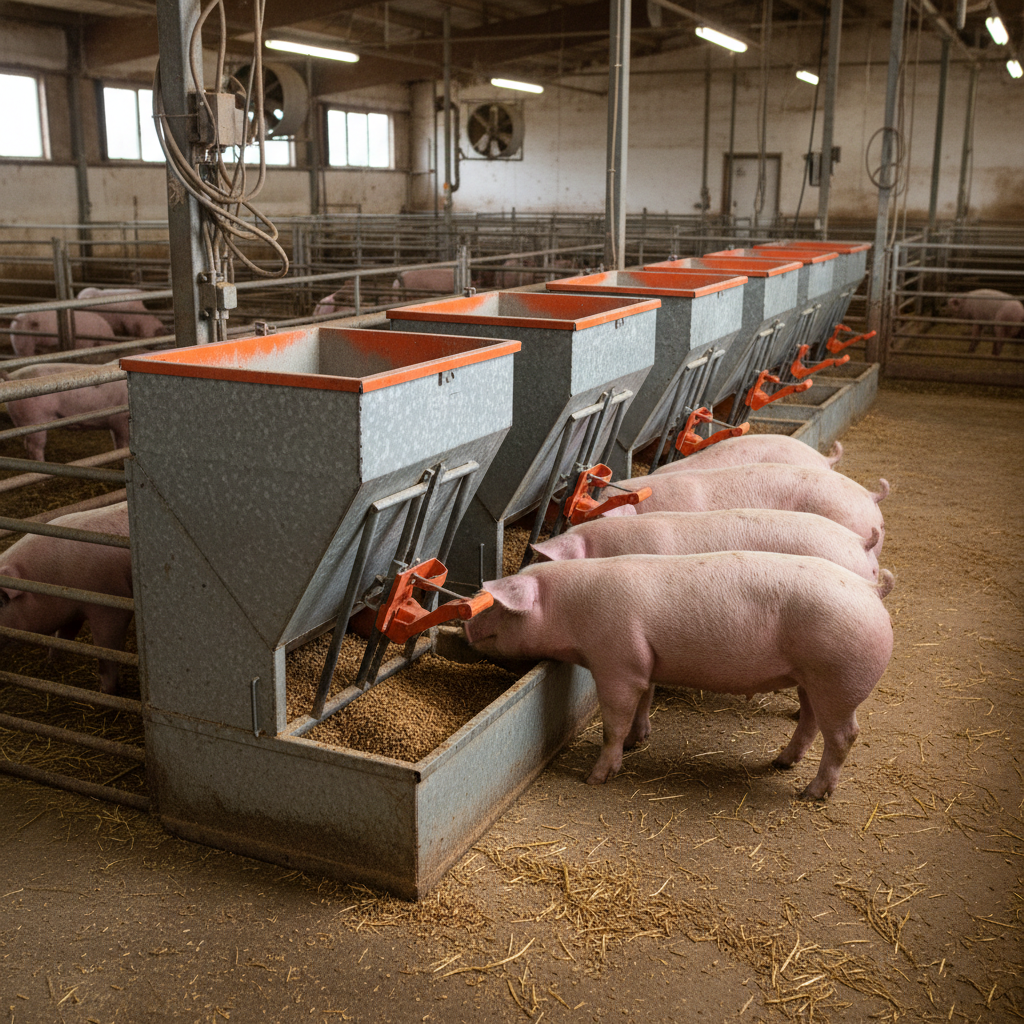
The feeder hog stage demands a balanced diet rich in proteins and energy to maximize growth rates. Feed efficiency here is critical; many farms now use tailored feed formulations to cut costs without sacrificing gain.
2. Housing & Environment
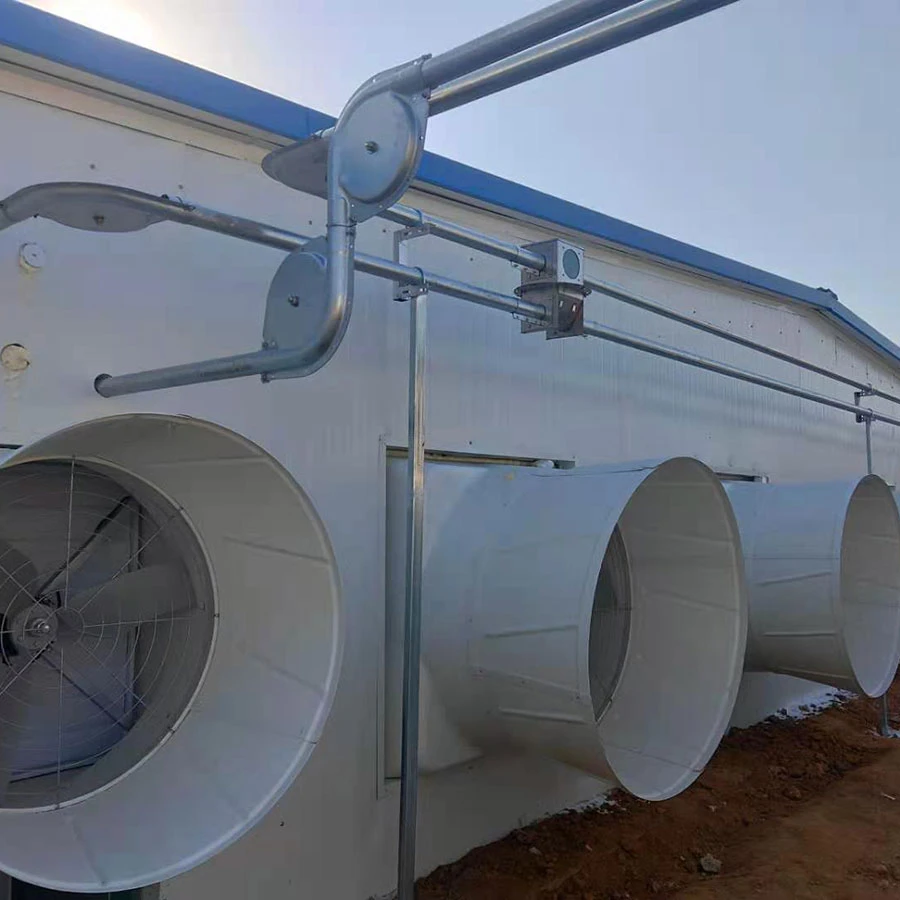
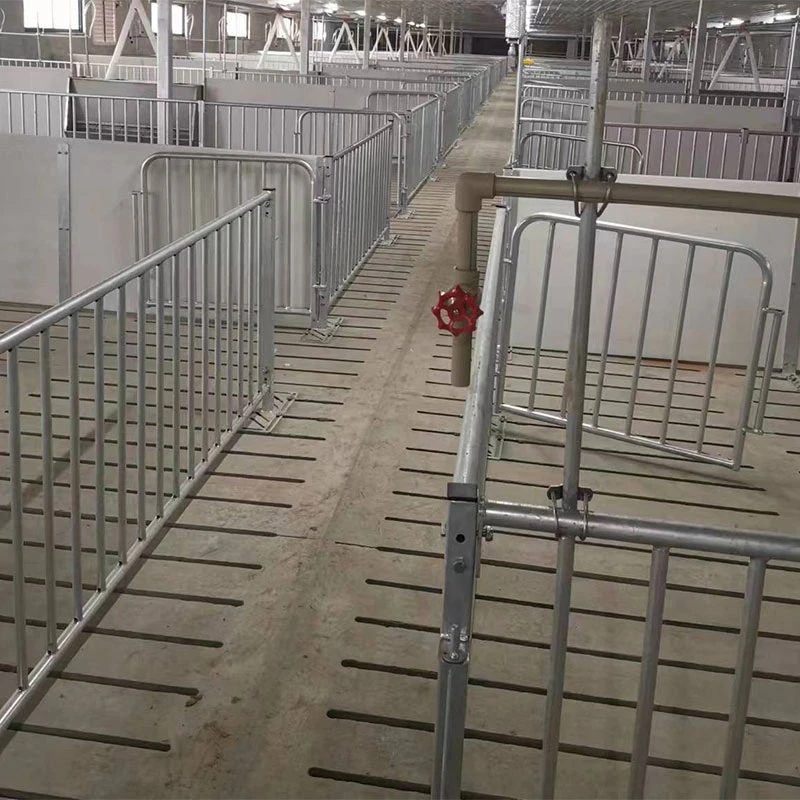
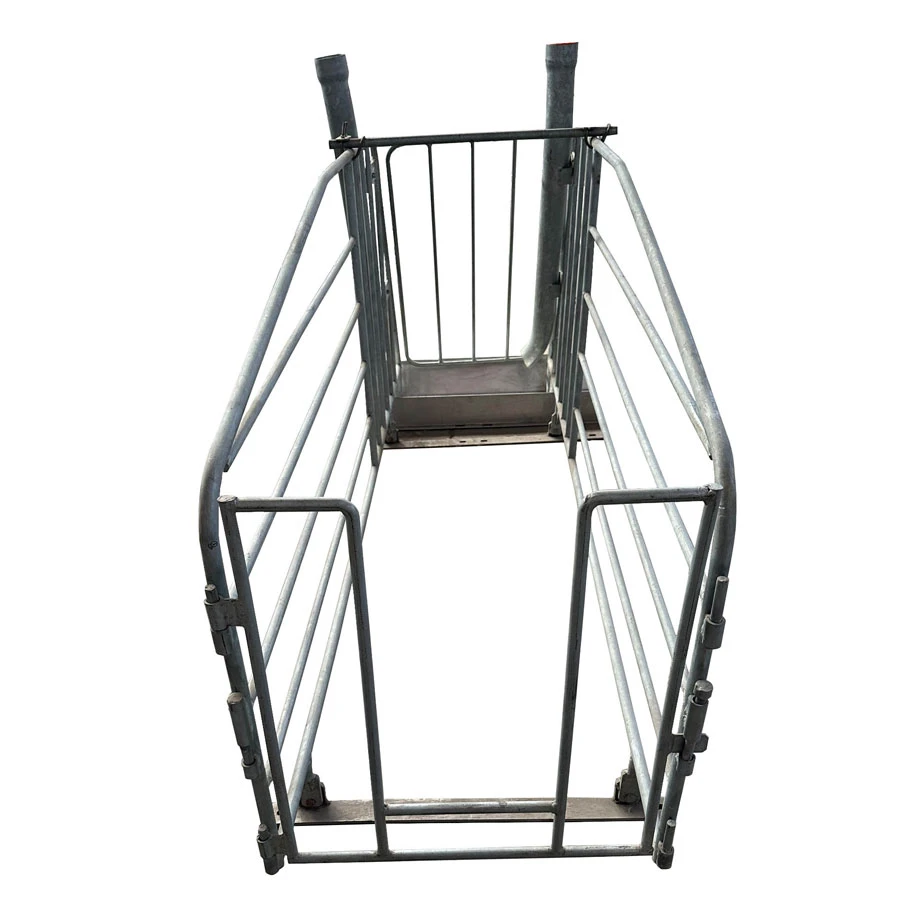
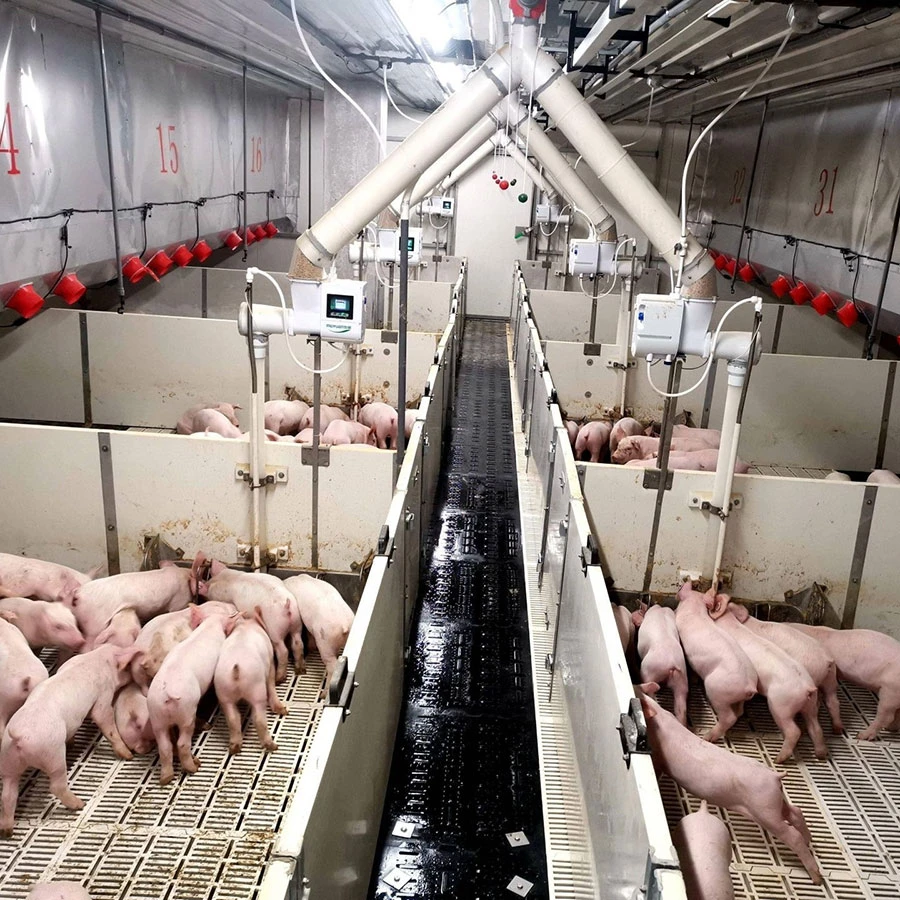
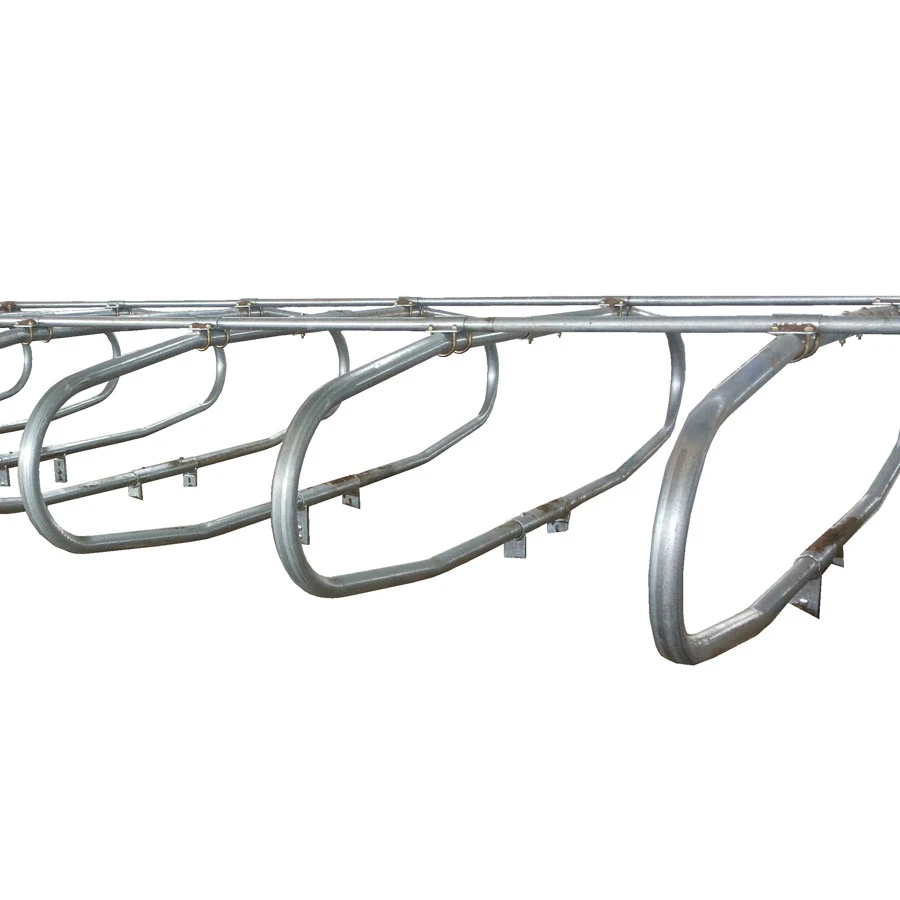
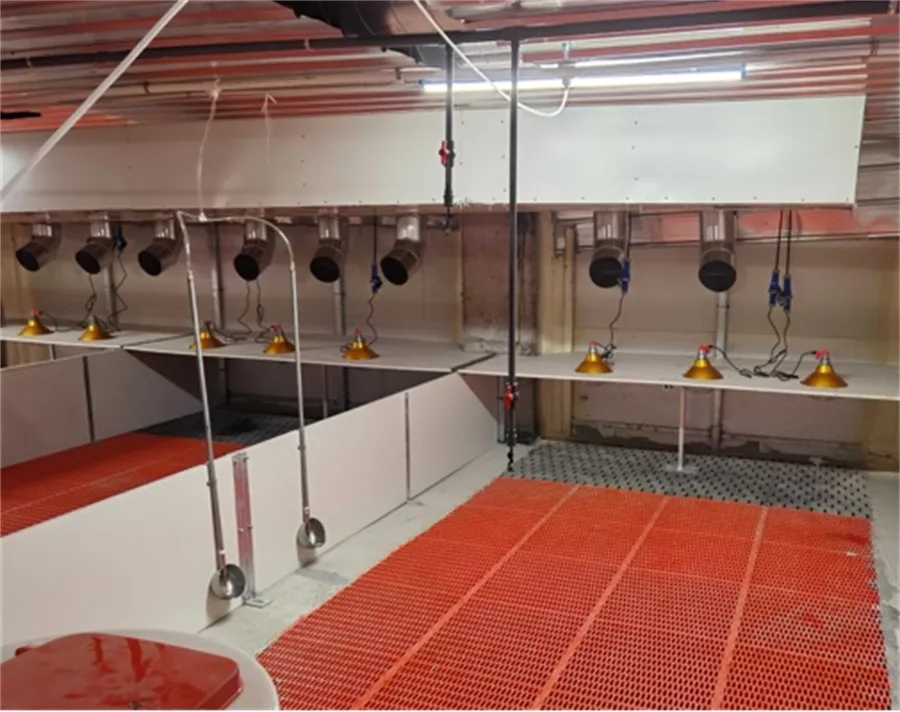
Proper shelter controls temperature, ventilation, and hygiene to minimize stress and disease susceptibility. Many producers invest in climate-controlled barns—especially in temperate climates—to ensure stable growth.
3. Health Management
Vaccination, parasite control, and biosecurity practices are paramount. Herd health programs often revolve around feeder hog batches to contain outbreaks like PRRS (Porcine Reproductive and Respiratory Syndrome) or swine flu.
4. Genetics & Breeding Selection
Producers select feeder hogs from genetically superior lines to optimize feed conversion and lean meat yield. It’s a fine science blending biology and economics.
5. Market Timing
Knowing when to move feeder hogs to finishing or slaughter affects profit margins. Timing depends on weight gain, feed prices, and market demand fluctuations.
Mini Takeaway: Managing feeder hogs well requires a mix of nutrition, health, genetics, and savvy market awareness — no small feat given varied global conditions.Real-World Applications of Feeder Hogs: Who Benefits?
Across the globe—from Midwestern U.S. to China’s rural provinces or European farming communities—feeder hog operations underlie pork supply chains that feed millions daily. Companies like Smithfield Foods in the U.S. or JBS in Brazil rely heavily on feeder hog procurement to stabilize product flow.
In Southeast Asia, for instance, smallholder farmers integrate feeder hogs into mixed crop-livestock systems for diversified income. In times of market strain, feeder hogs serve as a buffer asset—something farmers can sell relatively quickly compared to breeding sows.
Moreover, international aid organizations sometimes use livestock restocking programs (including feeder hogs) post-natural disasters to rebuild rural livelihoods sustainably. In these settings, feeder hogs symbolize recovery and hope more than just livestock.
Mini Takeaway: Feeder hogs matter to industrial producers and smallholders alike, as well as to NGOs focused on poverty alleviation and sustainable agriculture worldwide.Advantages & Long-Term Value of Feeder Hogs
- Cost Efficiency: Faster growth to market weight reduces feeding duration and cost.
- Improved Meat Quality: Uniform growth phases lead to consistent pork products.
- Livelihood Support: Feeder hog farming empowers rural economies.
- Food Security: Helps meet protein demands affordably at scale.
- Environmental Footprint: Optimized feeding and genetics can reduce waste and emissions.
- Trust & Safety: Biosecurity protocols lower contamination risks.
From a more human angle, feeder hogs tie into a narrative of innovation and resilience among farmers and industry veterans who adapt to shifting climates, regulations, and markets.
Mini Takeaway: Feeder hogs offer tangible economic, social, and environmental benefits—delivering more than just pork.Emerging Trends and Innovations in Feeder Hog Management
There’s no shortage of interesting shifts underway:
- Digital Monitoring: IoT sensors track health and feed intake in real time.
- Precision Nutrition: AI helps formulate feed blends customized for genetics and environment.
- Automated Housing Systems: Robotics manage ventilation, cleaning, and herd movements.
- Sustainability Focus: Alternative feed sources like insect protein and byproducts are gaining traction.
- Genomic Selection: Advanced breeding tools optimize traits like disease resistance.
Though some approaches are still in pilot phases, the commitment to “smarter” feeder hog farming is clear—and quite exciting if you ask me.
Mini Takeaway: Technology is reshaping feeder hog care with smarter nutrition, health monitoring, and sustainability.Challenges and Practical Solutions
It’s not all rosy. Producers face hurdles like:
- Disease outbreaks: Highly contagious pathogens threaten stock.
- Feed price volatility: Rapid commodity price swings squeeze margins.
- Environmental concerns: Waste management and greenhouse emissions demand innovation.
- Market fluctuations: Changing consumer preferences can reduce demand unpredictably.
Experts recommend integrated herd health programs, diversified feed sourcing, and investments in modular housing for disease control and welfare. Collaborative industry efforts sharing data on disease incidents and best practices seem to be part of the solution too.
Mini Takeaway: Tackling health and market risks demands proactive management and emerging tech.Feeder Hog Product Specification Table
| Specification | Typical Range/Value | Notes |
|---|---|---|
| Weight at Purchase | 40–70 kg (88–154 lbs) | Depends on region and breed |
| Average Daily Gain | 600–900 g/day | Affected by feed, health |
| Feed Conversion Ratio (FCR) | 2.5–3.0 | Lower is better efficiency |
| Typical Feeding Period | 70–110 days | Varies with target weight |
| Housing Temperature Range | 18–24 °C (64–75 °F) | Critical for health and growth |
Vendor Comparison Table: Leading Feeder Hog Suppliers
| Supplier | Genetic Quality | Health Protocols | Feed Programs | Geographical Reach |
|---|---|---|---|---|
| FastGrow Farms | High (AI-enhanced) | Strict vaccination & biosecurity | Customized feed blends | USA, Canada |
| GreenPasture AG | Medium (traditional) | Standard health checks | Standard commercial feeds | Europe, Asia |
| AgroLivestock | High (hybrid focus) | Enhanced biosecurity & monitoring | Tailored for climate adaptation | South America, Africa |
FAQ: Frequently Asked Questions About Feeder Hogs
Q: How long does a feeder hog typically take to reach market weight?
A: Feeder hogs generally take between 70 to 110 days to reach market weight, depending on their initial size, feed quality, and environmental conditions. Efficient nutrition and health management can shorten this period while maintaining meat quality.
Q: Are feeder hogs more vulnerable to diseases than other pigs?
A: Feeder hogs are somewhat vulnerable due to their growing stage and immune development. However, strict vaccination schedules and biosecurity measures can significantly reduce disease risks during this critical period.
Q: Can small-scale farmers benefit from purchasing feeder hogs?
A: Absolutely. Small-scale farmers often find feeder hogs a manageable livestock option to generate income quickly, especially when integrated into diversified farming systems with limited resources.
Q: What feed types work best for feeder hogs?
A: Balanced feed with high protein and energy content is ideal for feeder hogs. Many farms use corn-soybean meal mixes, supplemented with vitamins and minerals tailored to growth stages.
Q: How does climate affect feeder hog management?
A: Climate heavily influences housing needs and feeding strategies. In colder regions, proper heating is essential, while warmer climates require ventilation and cooling to prevent heat stress and maintain growth rates.
Wrapping It All Up
In real terms, feeder hogs are a backbone—perhaps an unsung hero—of the global pork supply chain. Understanding their role helps us appreciate the delicate dance of biology, economics, and sustainability that feeds billions. Whether you're a farmer, supplier, consumer, or just curious, knowing about feeder hogs sheds light on bigger challenges and innovations in agriculture today.
If you’re ready to dive deeper or explore feeder hog solutions tailored for your needs, visit our website: feeder hog.
References:
Post time: Dec . 02, 2025