The Growing Importance of Feeder Hogs for Sale in Global Agriculture
If you’re involved in livestock farming or agricultural trade, you’ve likely come across the term feeder hogs for sale. But what exactly does it mean, and why is it a subject of rising interest in the livestock industry worldwide? Simply put, feeder hogs are young pigs raised specifically for further feeding before reaching market weight. Understanding their role is quite critical—not just for individual farmers looking to maximize profit, but also for global food systems aiming for sustainable meat production.
Why does this matter globally? Well, pigs are a key protein source for billions, and the feeder hog market represents a vital link in efficient pork production. When managed well, feeder hog sales help stabilize food supply chains, support rural economies, and even mitigate environmental impact by promoting efficient growth cycles.
Mini takeaway: Feeder hogs sit at the crucial intersection of sustainability, economy, and food security worldwide.
Introduction: Why Feeder Hogs Matter in Today’s Global Market
The global hog industry isn’t just about putting pork on plates. According to data from the Food and Agriculture Organization (FAO), pork accounts for over 36% of the world’s meat consumption. As demand grows—especially in Asia and parts of Europe—the livestock sector faces challenges like disease control, feed cost fluctuations, and environmental sustainability. Feeder hogs represent a way to meet these challenges by enabling producers to optimize growth stages more economically.
One challenge is balancing cost efficiency with quality. Buying young feeder hogs rather than breeding from scratch saves time, but only if those hogs are healthy and ready for accelerated growth. That’s why the marketplace for feeder hogs for sale has gained prominence: it streamlines production for many operators worldwide.
Mini takeaway: Understanding feeder hogs helps address practical industry challenges while supporting global food security.
What Are Feeder Hogs? A Simple Definition
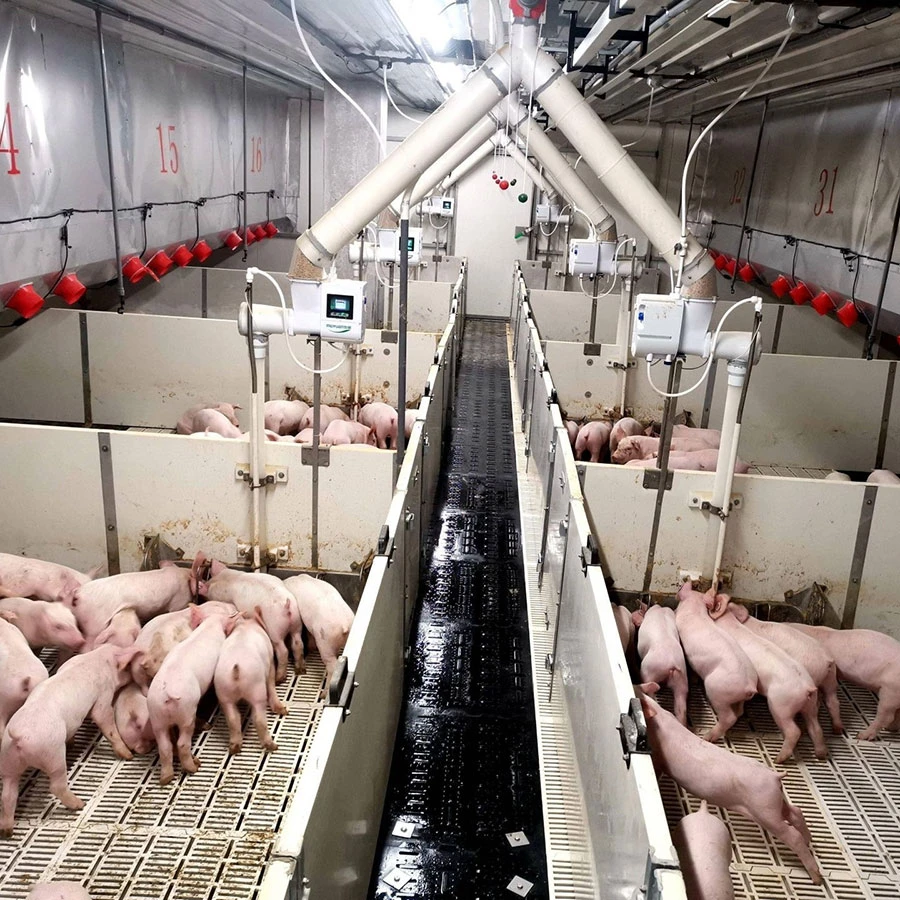
In plain terms, feeder hogs are weaned pigs—typically weighing between 40 to 70 pounds—that farmers purchase to raise until they reach market weight (around 250 pounds). They form the intermediate stage between piglets and finished hogs.
This process is crucial in modern farming. By buying feeder hogs, farmers avoid the complexity and time-consuming nature of farrowing (piglet birth and initial nurturing). It also ties closely to humanitarian aspects, especially in programs aiming to boost regional food supply or support developing agricultural economies.
Mini takeaway: Feeder hogs are essentially “young grower pigs” essential for efficient pork production cycles.
Key Factors When Considering Feeder Hogs for Sale
1. Health and Disease Resistance
Any hog’s health directly impacts feed-to-growth efficiency. Feeder hogs should be certified free of illnesses like PRRS (Porcine Reproductive and Respiratory Syndrome) or swine flu, which can devastate herds if unchecked. Buyers must check vendor health reports and vaccination records carefully.
2. Genetics and Growth Potential
The hog’s breed influences its growth rate and meat quality. Popular breeds like Yorkshire or Duroc tend to have faster weight gain and better feed conversion rates, which can boost profits in the long run.
3. Feed Efficiency
How well the hog converts feed into weight is arguably the most important financial factor. Feeder hogs with efficient feed conversion reduce farmer costs on grain and supplements—plus, they’re better for the environment by minimizing wasted resources.
4. Age and Weight at Purchase
The ideal feeder hog is young enough to benefit from fattening yet sturdy enough to withstand transport and environmental transitions. This balance affects survival rates and overall productivity.
5. Cost and Availability
Prices will vary regionally and seasonally. Bulk purchases often gain discounts, but storage and care capacity may limit order size.
Mini takeaway: Quality feeder hogs balance health, breed, feed efficiency, size, and cost.
Global Applications & Use Cases of Feeder Hogs
Feeder hogs are used by:
- Large commercial farms in North America and Europe focusing on intensive pork production.
- Smallholder farmers in developing countries aiming to diversify income and protein sources.
- Disaster recovery projects distributing livestock to rebuild livelihoods and local food supplies.
For example, in Vietnam, after typhoons impacted rural areas, NGO programs distributed feeder hogs to families to jumpstart production. Similarly, in the U.S. Midwest, integrators purchase feeder hogs from specialized breeders to maintain supply stability through market fluctuations.
Mini takeaway: From commercial to humanitarian realms, feeder hog sales support diverse agricultural and social goals worldwide.
Advantages & Long-Term Value of Buying Feeder Hogs
Several tangible benefits arise:
- Cost Efficiency: Skipping piglet raising stages lowers labor and resource costs.
- Sustainability: Improved feed-to-meat conversion reduces environmental footprint.
- Market Flexibility: Farmers can scale operations based on feeder hog availability.
- Social Impact: Enhances rural economic resilience and food security.
- Trust & Reliability: Purchasing from reputable sellers minimizes risks of disease and loss.
Plus, there’s an emotional comfort in knowing that smarter production methods ultimately support a safer, more abundant food supply—something many farmers think about daily.
Mini takeaway: Feeder hogs enable practical, sustainable, and socially responsible farming with measurable economic benefits.
| Specification | Typical Feature | Notes |
|---|---|---|
| Weight Range | 40-70 lbs (18-32 kg) | Optimized for finishing |
| Breed | Yorkshire, Duroc, Landrace | Common commercial types |
| Health Status | Vaccinated, disease-free | Mandatory for purchase |
| Feed Conversion Ratio | 2.5 - 3.0 | Pounds of feed per pound gained |
| Price per Head | $40 - $70 USD | Varies by region and season |
Comparing Top Vendors in the Feeder Hog Market
| Vendor | Health Certification | Breed Variety | Average Price per Hog | Regional Reach |
|---|---|---|---|---|
| PrimeHog Co. | Full USDA Accredited | Yorkshire, Duroc, Chester White | $52 | USA, Canada |
| Global Swine Traders | FAO Recommended | Landrace, Hampshire | $45 | Europe, Asia |
| Farmstead Providers | Local Veterinary Certified | Mixed breeds | $40 | USA (Midwest) |
The Road Ahead: Innovations and Future Trends
Feeder hog farming isn’t static. Technologies changing the game include:
- Genetic improvements: Selective breeding and CRISPR gene editing may yield disease-resistant hogs with better growth.
- Smart feeding systems: Automated feeders and IoT sensors monitor pig health and tailor nutrition, improving feed efficiency.
- Sustainability drives: Efforts to reduce methane emissions with feed additives and better manure management.
- Digital marketplaces: Online platforms simplify buying feeder hogs for sale … making regional and even international trade smoother.
All these signal an industry increasingly leaning on innovation to solve age-old challenges.
Common Challenges & Practical Solutions
Challenge: Maintaining hog health during transport and early growth phases is tricky. Stress can invite illness.
Solution: Vendors now focus on improved vaccination schedules and stress-reducing handling strategies. Some farms incorporate probiotic supplements to enhance immunity naturally.
Challenge: Feed costs can spiral, affecting profitability.
Solution: Use of alternative feed ingredients like distillers’ grains or insect meal is gaining traction to lower costs and promote sustainability.
FAQ: Your Top Questions About Feeder Hogs for Sale
- What makes feeder hogs preferable to raising piglets from birth?
- Feeder hogs are past the fragile piglet stage, which reduces risks and resource investment. Purchasing feeder hogs speeds up production, allowing farmers to focus on finishing and marketing efficiently.
- How long do feeder hogs typically take to reach market weight?
- Generally, feeder hogs grow to market weight within 4 to 5 months, depending on breed, feed quality, and management practices.
- Are feeder hogs suitable for small-scale farmers?
- Absolutely. Small-scale farmers benefit from buying feeder hogs as it lowers initial investment and bypasses complicated breeding stages.
- Can I find feeder hog vendors that ship internationally?
- Yes. Many suppliers offer international shipping with proper health certifications, though buyers should verify import regulations and biosecurity protocols in their country.
Wrapping Up: Why Feeder Hogs Are a Smart Investment
Feeder hogs are more than just young pigs. They’re a vital tool helping farmers worldwide meet the growing demand for pork both efficiently and sustainably. The balance of quality, cost, and health in feeder hogs can define success or failure in hog production.
For anyone serious about expanding or optimizing their livestock portfolio, getting to know the market for feeder hogs for sale is a smart move. Whether you are a commercial grower or a smallholder aiming to boost your herd, the possibilities are broad and ripe.
Ready to explore quality feeder hogs? Visit https://www.cxlivestock.com to find trusted vendors and start building your future herd today.
References:
Post time: Dec . 02, 2025